Best Lab Furniture for Classrooms
Table of Contents
Best Lab Furniture for Classrooms refers to durable, safety-compliant laboratory furnishings designed for educational environments, combining chemical-resistant surfaces, reinforced casework, adaptable layouts, and accessibility features to support hands-on STEM learning while minimizing maintenance costs and ensuring long-term performance, compliance with safety standards, and flexible classroom functionality for evolving academic programs
Why Classroom Lab Furniture Matters
Safety Starts at the Bench
Classroom labs aren’t controlled showrooms—they’re high-traffic learning environments full of movement, spills, and hands-on experiments. The quality of lab furniture directly affects student safety, from chemical resistance on work surfaces to cabinet construction that prevents tipping, pinching, or premature failure. In chemistry and biology labs especially, exposure to corrosive materials makes proper finishes, sealed joints, and impact-rated components non-negotiable. Well-designed furniture isn’t just décor—it’s safety equipment in disguise.
Durability Under Daily Use
School furniture gets zero days off. Cabinets are opened hundreds of times a week, stools twist against countertops, backpacks knock into drawer faces, and equipment gets slid, dragged, and stacked. Flimsy materials warp, chip, and loosen quickly, leading to continual maintenance costs and mid-cycle replacements. Durable classroom furniture means:
- Reinforced cabinetry and frames
- Heavy-duty drawer slides
- Impact-resistant cabinet fronts
- Chemically stable countertops
Schools that invest in well-built systems—like those showcased on the CampbellRhea project portfolio—avoid constant repairs and keep learning spaces functioning year after year.
Space Efficiency & Classroom Flow
Most classrooms weren’t built as custom laboratories. Spaces are tight, ceiling heights vary, and every square foot must multitask between lectures, lab work, group collaboration, and safety demonstrations. Furniture layout plays a huge role in daily usability:
- Aisle spacing must allow safe movement.
- Workstations need to support small groups—not single users.
- Storage must be close enough to reduce clutter but not restrict access.
Poor layout slows class transitions and crowds work areas. Well-planned lab furniture keeps traffic flowing, maintains safety clearance, and improves overall instruction efficiency. Educators planning upgrades often start by reviewing solution overviews at CampbellRhea’s product collections to visualize space-optimized layouts.
Flexibility for Multi-Subject Learning
Modern classrooms rarely serve one subject anymore. A space might host chemistry in the morning, physics after lunch, and robotics or STEM labs before dismissal. Furniture has to adapt:
- Moveable workstations for collaboration
- Modular benches that reconfigure quickly
- Adjustable seating and work heights
- Mobile storage carts
Rigid layouts lock classrooms into outdated teaching styles. Flexible casework allows instruction to evolve with curriculum demands while maximizing space use. Educational wood casework systems exemplify how traditional durability can merge with modular flexibility for changing teaching needs.
Balancing Cost vs. Long-Term Value
It’s tempting to choose the cheapest furniture line and move on—but low upfront costs often lead to high replacement and maintenance expenses. The best lab furniture for classrooms delivers long-term value by combining:
- Durability that resists wear
- Safety compliance aligned with classroom regulations
- Ergonomic layouts that reduce strain and congestion
- Design adaptability for evolving programs
School facility teams researching buying strategies can explore planning resources and updates on the CampbellRhea blog or connect with regional experts through the dealer locator.
Investing in classroom lab furniture isn’t about buying cabinets—it’s about building learning environments that perform safely, efficiently, and reliably for decades.
Key Features to Look For
Strong, School-Ready Construction
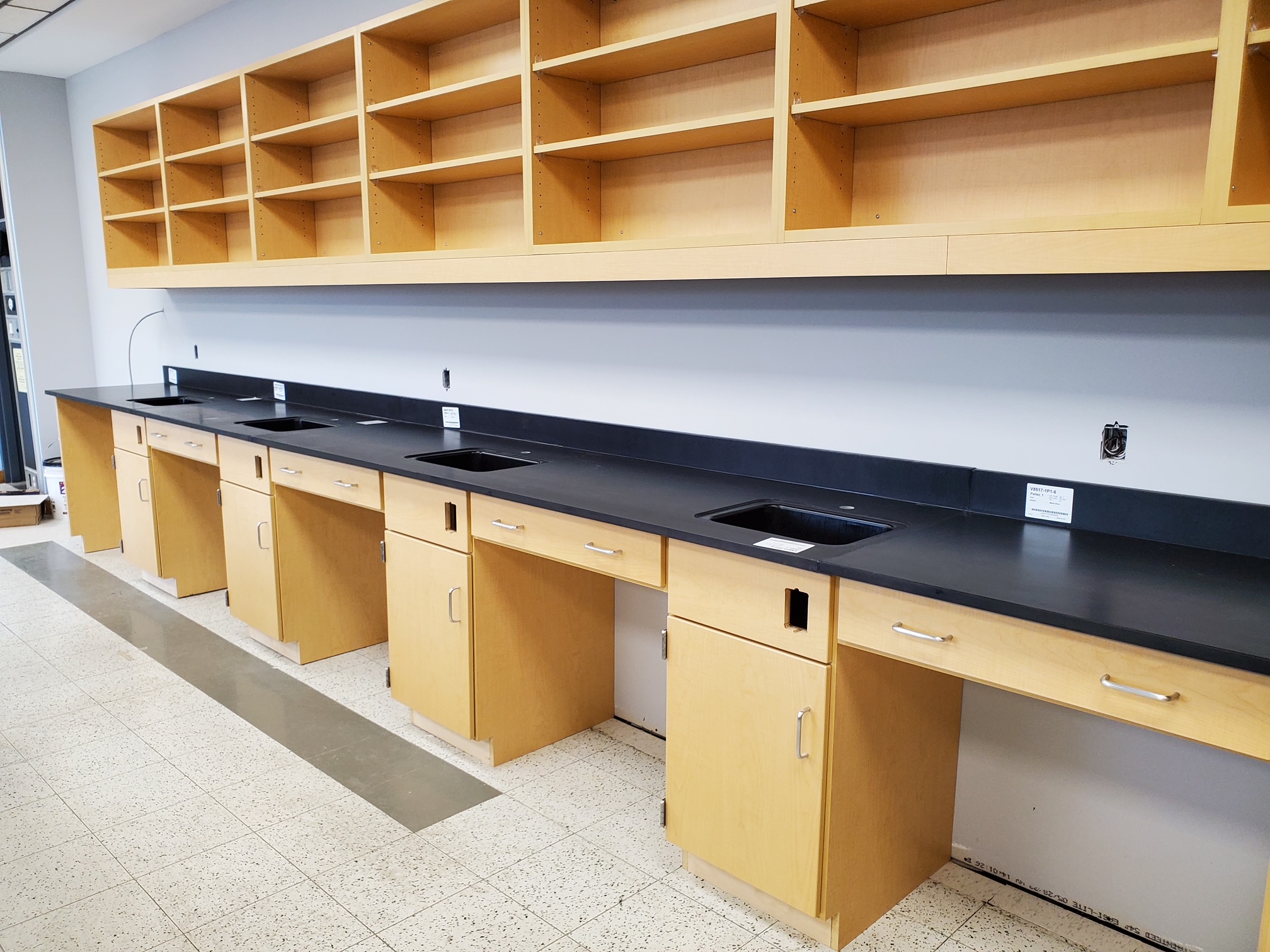
High-quality classroom lab furniture begins with durability that stands up to daily use. Look for:
- Steel-reinforced frames to prevent sagging and cabinet shift over time
- Dovetail drawer construction for strength at joints where failures typically occur
- Reinforced cabinet boxes that resist racking from constant opening, closing, and contact from backpacks or stools
These foundational build elements reduce breakage, minimize service calls, and preserve safety for students working around heavy equipment. Many facilities managers reviewing durable solutions start by exploring the full lineup at CampbellRhea’s product catalog to compare construction methods and performance specs.
Chemical-Resistant Work Surfaces & Finishes
Classroom labs face ongoing chemical exposure—acids, solvents, disinfectants, and cleaning agents all take their toll. Premium furniture uses:
- Phenolic or epoxy resin countertops
- Chemical-stable lacquer or powder-coat cabinet finishes
- Sealed edging and moisture barriers
These surfaces resist etching, staining, and swelling, protecting both the furniture and students. Schools seeking long-lasting, controlled environments often rely on specialized casework options like CampbellRhea’s educational wood line for a balance of durability and classroom functionality.
Mobility & Modular Design
Static classrooms can’t keep pace with active STEM education. The best lab furniture supports flexible layouts through:
- Mobile workstations
- Modular bench systems
- Quick-connect utility features
This adaptability allows teachers to shift quickly from lecture formats to team-based experiments, maker activities, or robotics labs. Schools experimenting with evolving layouts can study real applications shown in classroom transformation projects to see flexible systems in action.
ADA-Compliant Accessibility
Inclusive classroom design requires workstations that accommodate all learners. High-quality furniture includes:
- Height-adjustable tables
- Knee-clearance sink stations
- Accessible storage access points
These ensure students with mobility limitations participate fully without work-arounds or safety risks, supporting equal educational access and proper code compliance.
Integrated Safety Storage & Plumbing
Effective labs control risks through smart furniture placement:
- Ventilated chemical storage cabinets
- Under-bench flammable storage
- Integrated sink placements with spill-management features
These designs maintain organized workflows and reduce congestion while keeping hazardous materials safely secured. Planning tools found on the CampbellRhea resource hub often help facility teams identify safe layout options before furniture selection begins.
SEFA Compliance Standards
The Scientific Equipment and Furniture Association (SEFA) benchmarks define durability, chemical resistance, load capacity, and finish performance for laboratory furniture. Choosing SEFA-compliant systems ensures:
- Proven structural safety
- Long-term use validation under real lab conditions
- Lower lifecycle replacement costs
Schools evaluating manufacturers should prioritize compliance verification while sourcing proposals. Locating qualified providers is easiest through the authorized CampbellRhea dealer network or by connecting directly with specialists via CampbellRhea’s manufacturing team.
These features don’t just improve furniture quality—they protect students, simplify facility maintenance, and allow classrooms to evolve with hands-on STEM learning for decades.
Common Furniture Types Used in Classrooms
Wood Casework — Traditional Classroom Durability
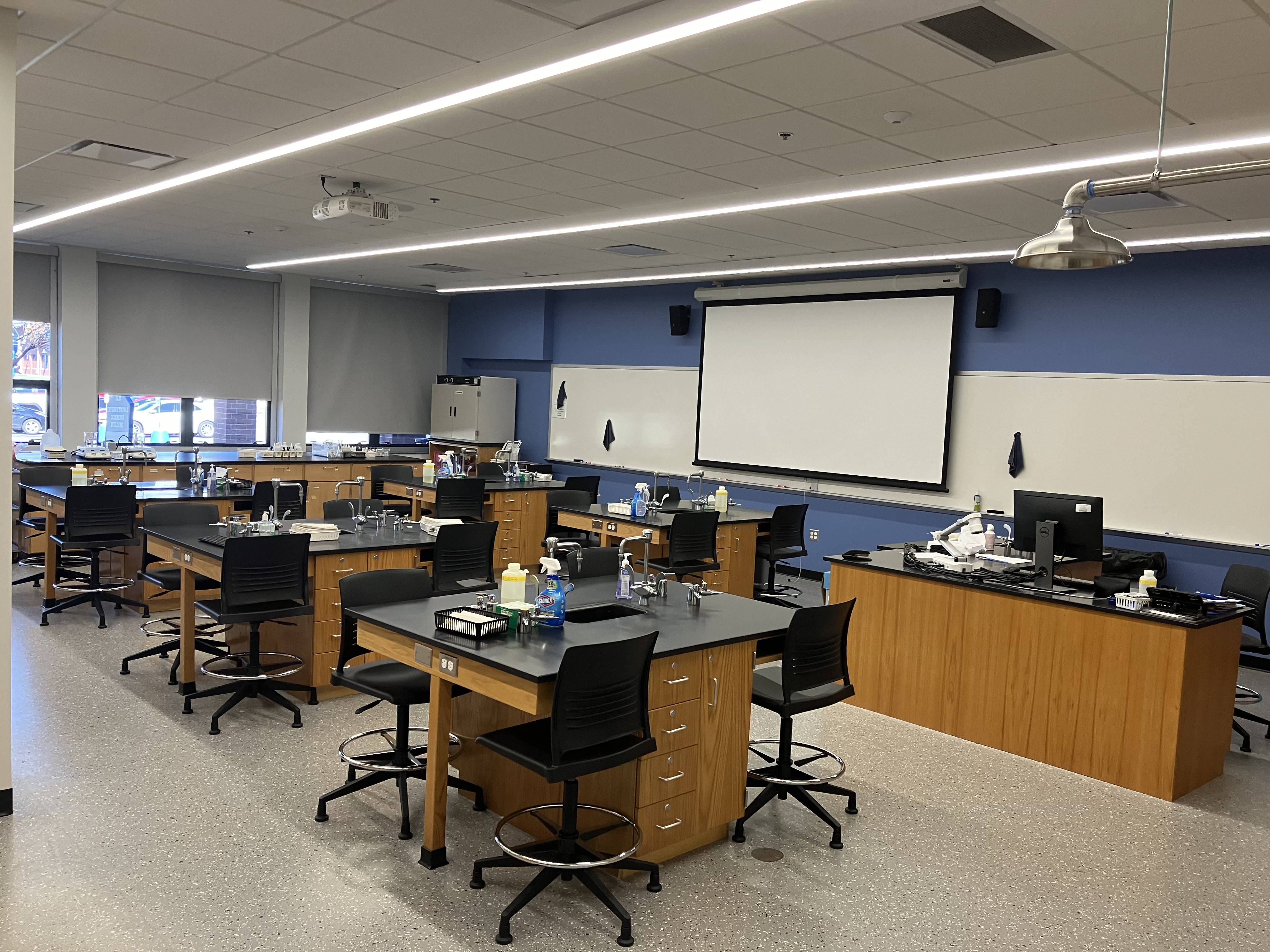
Wood casework remains a staple in K–12 and higher-education classrooms because it blends durability with a familiar, welcoming look. Designed for moderate chemical exposure and everyday student interaction, wood cabinetry holds up well in biology, general science, and STEM classrooms where flexibility matters more than heavy-duty industrial resistance. These systems often include:
- Full cabinet storage runs
- Demonstration desks
- Student bench seating with drawer units
Schools searching proven classroom layouts frequently review options like CampbellRhea’s educational wood casework systems for controlled durability paired with adaptable classroom layouts.
Steel Casework — High-Wear Lab Environments
Steel lab furniture is selected when durability and chemical protection must take priority. Chemistry labs, advanced research rooms, and prep spaces see stronger solvents, corrosives, and constant equipment movement—conditions that can overpower traditional wood systems. Steel setups provide:
- Superior chemical and moisture resistance
- Increased load capacity for equipment
- Long-term structural stability under heavy daily use
Schools often mix steel into teacher prep rooms, chemistry classrooms, and high-risk storage areas rather than using it wall-to-wall throughout general instruction spaces.
Modular Bench Systems — Multi-Use STEM Spaces
STEM programs demand flexibility. Modular bench systems allow spaces to evolve from lecture to lab to collaborative maker studios within the same class period. These systems include:
- Interlocking tables and benches
- Mobile support carts
- Quick-connect utilities
Flexible layouts help educators reorganize classrooms on demand without compromising safety. Real-world applications of modular classroom conversions can be explored through CampbellRhea’s project portfolio showcasing dynamic learning environments.
Mobile Workstations — Collaborative Learning Tools
Mobile workstations bring movement into modern classrooms. Rolling lab tables and tech carts support group projects by allowing students to relocate work surfaces for teamwork or presentations. Benefits include:
- Rapid classroom reconfiguration
- Improved student collaboration
- Reduced congestion during transitions
These stations are especially useful in engineering, robotics, and cross-disciplinary STEM courses that emphasize teamwork over fixed seating.
Chemical-Resistant Countertops — Safety Foundations
Every classroom lab relies on safe work surfaces. Phenolic resin and epoxy resin countertops are chosen for their resistance to:
- Acids, solvents, and disinfectants
- Heat from small burners or equipment
- Moisture absorption and bacterial growth
These materials appear across wood, steel, and mobile furniture systems alike, ensuring uniform safety standards regardless of cabinet type. Surface options and compatibility details are commonly reviewed on CampbellRhea’s solutions overview during the specification phase.
Layered Furniture Strategies for Long-Term Performance
The best classrooms rarely rely on a single furniture type. Facilities teams combine wood for instruction areas, steel for high-risk zones, modular benches for flexible STEM spaces, and mobile stations for collaboration—all topped with chemical-resistant surfaces. This layered approach allows each room to match:
- Grade-level safety requirements
- Subject-specific durability needs
- Space constraints and traffic flow
Planning resources available on CampbellRhea’s design blog help schools visualize furniture blends that remain functional for decades. Institutions coordinating local sourcing and installation commonly turn to the CampbellRhea dealer locator to connect with certified project partners who specialize in custom classroom furniture planning.
Why CampbellRhea Is a Leader in Classroom Lab Furniture
Over 70 Years of Classroom Expertise
CampbellRhea has spent more than seven decades focused exclusively on educational and laboratory environments. That narrow specialization has produced furniture systems designed specifically for schools—not repurposed commercial cabinetry. Classrooms demand durability under heavy student use combined with safety features suited to daily experimentation. CampbellRhea’s proven experience allows educators to rely on furniture developed through real-world classroom feedback rather than trial-and-error design cycles. Schools looking to understand best practices often review planning insights from CampbellRhea’s design blog to see how classroom needs continue to shape furniture solutions.
U.S.-Based Manufacturing & SEFA Compliance
All CampbellRhea furniture is manufactured in the United States, giving districts consistent product quality, material sourcing control, and dependable production timelines. Just as important, construction meets strict SEFA standards, which validate load capacity, chemical resistance, finish durability, and long-term structural safety. This compliance ensures that what enters a classroom has been tested not for aesthetics, but performance under real laboratory conditions. Design specifications for compliant systems and materials are detailed in CampbellRhea’s full product lineup.
Durability Designed for High Traffic
Classrooms experience continuous wear—from shifting equipment to crowded transitions between classes. CampbellRhea addresses this with:
- Reinforced cabinet frameworks
- Dovetail drawer boxes
- Impact-resistant finishes
- Chemical-resistant surfaces
Their educational wood systems combine traditional warmth with hardened performance standards, shown throughout CampbellRhea’s educational wood casework collections built specifically for heavy student use.
Complete End-to-End Laboratory Services
CampbellRhea delivers more than furniture—schools receive complete project support including:
- Custom casework fabrication
- Modular bench and mobile workstation systems
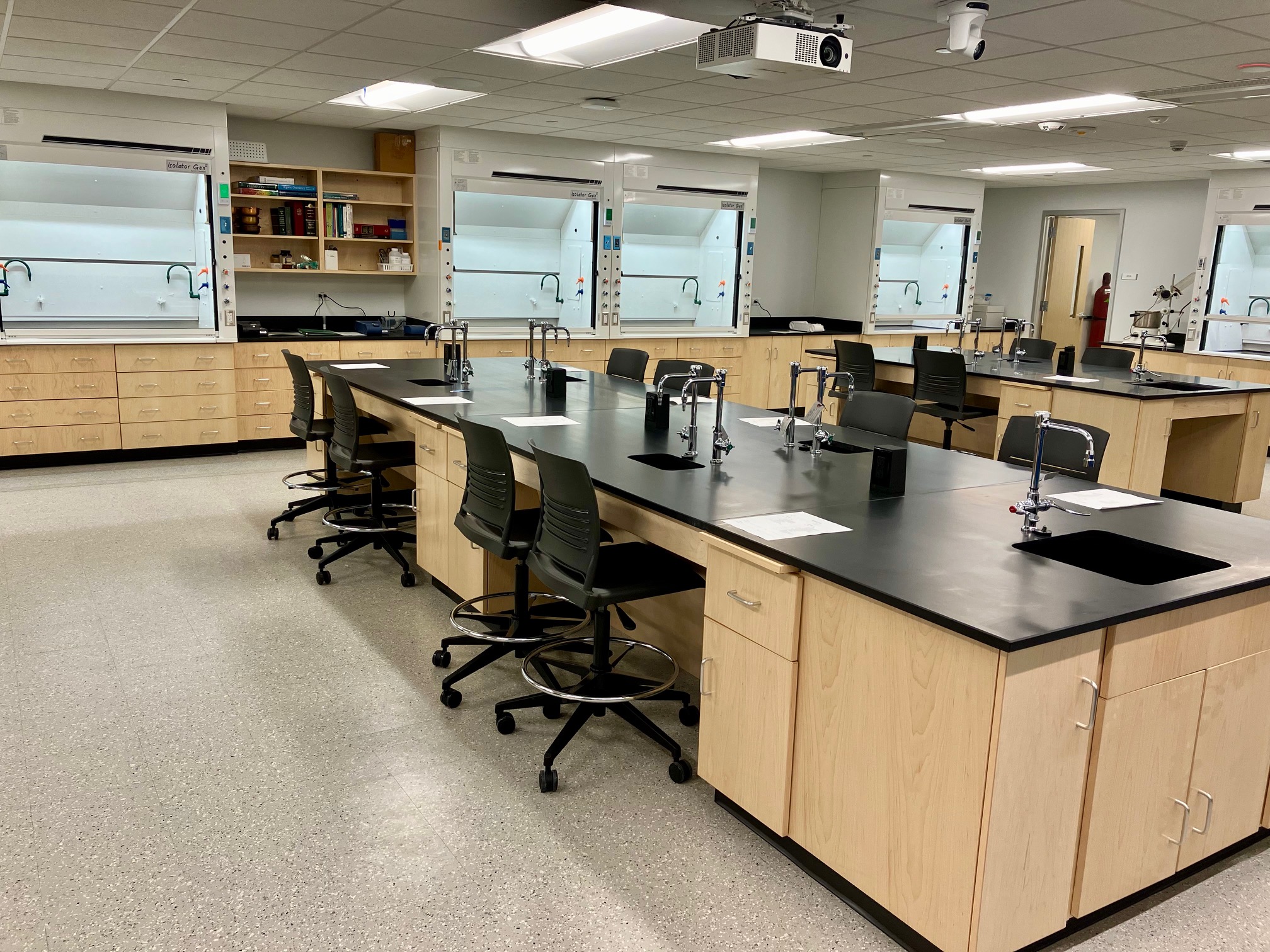
- Integrated fume hoods and ventilation solutions
- Chemical-resistant countertops and plumbing fixtures
- Professional layout development using AutoCAD and BIM tools
This unified workflow ensures compatibility across surfaces, storage, safety equipment, and utilities while preventing costly design errors or procurement gaps. Implementation examples across K–12, universities, and vocational schools can be reviewed via CampbellRhea’s classroom project portfolio.
Trusted Partners for Classroom Success
Educators and architects rely on CampbellRhea because they simplify procurement and project execution. Schools aren’t forced to juggle multiple suppliers for furniture, surfaces, ventilation, and layout design. Instead, districts coordinate through certified local providers identified using the CampbellRhea dealer locator, gaining direct access to product specialists and experienced installation teams.
Built for the Classrooms of Tomorrow
By blending decades of classroom experience, SEFA-compliant construction, U.S.-based manufacturing, and complete design-build support, CampbellRhea remains a preferred partner for schools building learning environments that prioritize safety, flexibility, and longevity. Education facilities across the country depend on the integrated furniture and planning solutions provided by CampbellRhea to deliver laboratories designed for today’s instruction—and ready for the demands of future STEM education.
Related searches
Best lab furniture for schools
Science classroom lab design ideas
Modular classroom lab furniture
Chemical-resistant lab countertops for schools
SEFA standards for lab furniture