Lab Safety Symbols
Table of Contents
Lab Safety Symbols — What They Mean & Why They Matter are standardized visual signs used in laboratories to identify hazards, required protective actions, and emergency equipment locations. They communicate critical safety information instantly, supporting regulatory compliance and helping prevent injuries, chemical exposure, and equipment accidents by guiding safe behavior at a glance.
Fire & Chemical Hazard Symbols
When it comes to everyday lab risks, no category demands more visual clarity than Fire & Chemical Hazard Symbols. These are the signs that quietly stand between a normal class period and a full-scale emergency response. They identify substances that ignite easily, react violently, corrode surfaces, or pose direct health threats—long before anyone opens a container or starts an experiment.
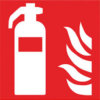
Fire Extinguisher
Think of this symbol as your “break glass in case of emergency” sign. It tells you exactly where to find the extinguisher when flames decide to make an unscheduled appearance
Flammable
This symbol warns that liquids, vapors, or gases can ignite rapidly when exposed to heat, sparks, or static discharge. Common examples include alcohols, acetone, gasoline-based compounds, and compressed gases. Clear flammable signage reinforces safe storage protocols and proper ventilation placement so minor heat sources don’t escalate into fire incidents.

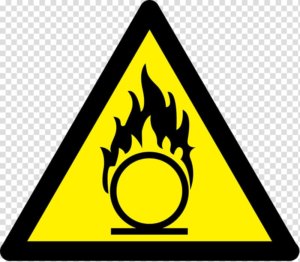
Oxidizing Material
Oxidizers don’t have to burn to create danger. These chemicals release oxygen or promote combustion, causing surrounding materials to ignite faster and burn hotter. The symbol signals the need for strict separation from combustible products and specialized storage designed to minimize cross-reaction risk.
No Open Flames
Often placed near chemical storage, gas lines, and experiment zones, this symbol communicates a simple rule: don’t strike a match or light a burner in the area. It’s commonly paired with flammable and oxidizer warnings to prevent common fire-start scenarios before they occur.

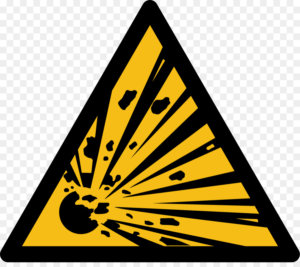
Explosive Material
This symbol marks substances that are unstable under shock, friction, heat, or pressure. Improper handling or storage can trigger sudden detonation. Clear signage enforces controlled handling procedures and restricted access, ensuring only trained staff interact with these materials.
Corrosive Material Hazard
Used for strong acids, bases, and reactive chemicals capable of burning skin, damaging eyes, or degrading lab furniture surfaces. This symbol reinforces the need for chemical-resistant work surfaces, splash protection, gloves, and proximate eyewash stations.

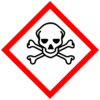
Toxic / Poisonous Material
This warning identifies chemicals capable of causing injury or death through ingestion, inhalation, or skin contact. Its visibility promotes strict PPE use, fume hood operation, and controlled access zones to prevent accidental exposure.
Together, these Lab Safety Symbols form a frontline defense—visual safety barriers that reinforce proper chemical handling long before risk turns into reality.
Biological & Health Hazard Symbols
While fires and volatile chemicals attract immediate attention, biological and long-term health hazards represent some of the most complex risks inside today’s educational laboratories. These dangers may not look dramatic, but their impact can be far more lasting. That’s why Biological & Health Hazard Symbols exist—to flag risks that aren’t always visible and to reinforce safe handling, disposal, and personal protection procedures at every stage of lab activity.
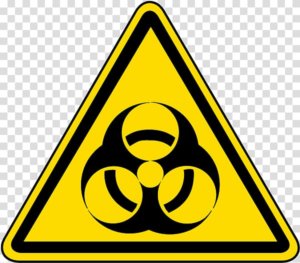
Biohazard
The biohazard symbol identifies materials that may contain infectious agents or harmful biological contaminants. This includes blood samples, cultures, medical waste, preserved specimens, or improperly disposed biological material. The sign alerts lab users to implement controlled handling protocols such as gloves, masks, restricted container use, and regulated disposal pathways. In educational settings, this symbol reinforces proper specimen handling practices and ensures waste never enters general trash streams.
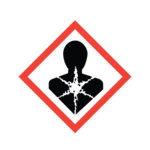
Health Hazard / Long-Term Hazard
Some chemicals don’t cause immediate harm but pose serious risks after prolonged exposure. This symbol marks substances known to cause chronic respiratory issues, organ damage, genetic mutations, or cancer. Carcinogens, sensitizers, and toxic inhalants fall into this category. Its presence reminds students and staff that fume hood use and PPE aren’t optional—they’re essential, even when substances appear benign. Repeated low-dose exposure is often the most dangerous scenario, making this symbol one of the most important tools for reinforcing consistent safety behavior.
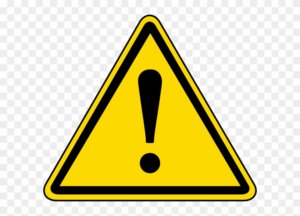
General Warning
The general warning symbol functions as a visual alarm bell for nonspecific hazards that still demand caution. It often covers slip risks from wet floors, energized electrical zones, equipment operation dangers, or temporary safety conditions not tied to chemicals or biological agents. This symbol prompts investigation before action—encouraging students and staff to slow down, assess the environment, and follow posted procedures before engaging.
Radiation & Physical Hazard Symbols
Some of the most serious lab dangers don’t come from chemicals at all—they come from energy, electricity, and extreme temperatures. These risks are not always obvious to the eye, which makes Radiation & Physical Hazard Symbols essential. They communicate invisible threats that can cause severe injury without careful controls and strict safety discipline.
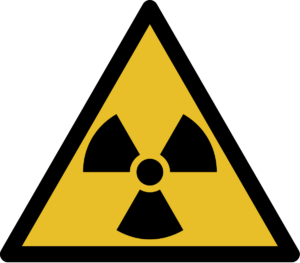
Ionizing Radiation Hazard
This symbol identifies areas or materials associated with radioactive exposure, such as isotope storage, testing devices, or specialized instructional equipment. Ionizing radiation can damage tissue at the cellular level and increase cancer risk, even at low exposure rates. Clear signage enforces restricted access, time-limited handling procedures, and mandatory PPE—protecting students and staff from unnecessary exposure while maintaining compliance with radiation safety regulations.
Non-Ionizing Radiation / Laser / UV Hazard
Used near laser systems, ultraviolet lamps, and other high-energy optical equipment, this warning reminds lab users that light-based radiation can permanently damage skin and eyes. UV disinfection stations, imaging tools, and laser alignment devices require careful eye shielding and controlled access zones. The symbol ensures that protective goggles, shields, and operational protocols are respected before equipment is energized.
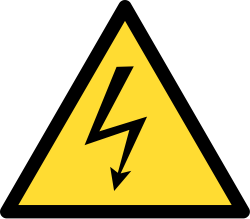
High Voltage / Electrical Hazard
Electrical hazards exist wherever powered instruments, testing systems, or control panels operate. This symbol warns of live circuits capable of causing shock, burns, or fatal injury if handled improperly. It reinforces lockout procedures, equipment grounding rules, and restricted servicing protocols so students never interact with exposed wiring or energized panels.
Low Temperature / Cryogenic Hazard
Cryogenic materials such as liquid nitrogen and dry ice create extreme cold conditions that can cause instant frostbite or tissue damage upon contact. This symbol identifies areas where insulated gloves, face shields, and specialized containers are mandatory. It also reminds users to manage oxygen displacement risks associated with cryogenic vaporization.

Physical Safety & Mandatory-Action Symbols
Some Lab Safety Symbols don’t warn about hazards—they demand action. These are the symbols that enforce safe behavior before work even begins. Known as mandatory-action symbols, they communicate what must be worn, where to seek emergency response, and which behaviors are prohibited to prevent exposure, contamination, or equipment-related injury.
Gloves Required / PPE Required
These symbols indicate mandatory use of personal protective equipment such as gloves, safety goggles, face shields, or respiratory masks. They are commonly placed at lab entrances, chemical handling areas, and workstations where splash, vapor, or particulate risks exist. The signage reinforces that PPE is not optional—it is an entry requirement. Consistent adherence reduces incidents involving chemical burns, airborne exposure, and cross-contamination while ensuring alignment with Environmental, Health, and Safety standards supported by organizations like BradyID.

Eyewash Station / Safety Shower / First Aid Station
These symbols mark the locations of emergency response equipment designed to limit injury after accidental exposure. In the event of chemical splashes, toxic fumes, or physical trauma, immediate access to eyewash stations, safety showers, or first aid kits can prevent long-term injury. Highly visible signage ensures response time stays under critical thresholds when seconds matter most.

No Food or Drink
This prohibition symbol protects users from accidental ingestion of contaminated materials. Eating or drinking in laboratory environments allows chemicals, dust, vapors, or biological agents to enter the body unnoticed. The symbol reinforces strict contamination-control practices, safeguarding student health and preserving the integrity of experiments.
No Pacemakers / No Metallic Implants
Used near strong electromagnetic fields, radiation zones, or high-voltage equipment, this symbol warns individuals with medical implants or metallic devices to remain clear of restricted areas. Interference risks range from pacemaker malfunction to equipment magnetization hazards. Posting this signage fulfills regulatory safety requirements and prevents medically vulnerable individuals from unknowingly entering dangerous zones.

Build Safer, Smarter Labs — Made in the USA with CampbellRhea
When safety is the mission, the laboratory itself becomes the tool—and CampbellRhea builds that tool with purpose. Lab Safety Symbols are only effective when paired with environments that support proper workflows, durable materials, and compliant layouts. That’s where CampbellRhea’s U.S.-made laboratory systems come into play, engineering safety directly into the physical space—not layering it on afterward.
From day one, CampbellRhea designs labs to reinforce hazard communication through clear sight lines, intuitive work zones, and strategic equipment placement. Symbols for chemicals, PPE requirements, emergency stations, and restricted zones are positioned where behavior decisions are actually made—at lab entrances, workstations, storage cabinets, and wash areas—so safety becomes reactive by instinct, not policy.
Their approach goes beyond furniture. CampbellRhea collaborates with schools and institutions to create fully integrated environments that combine:
- Chemical-resistant work surfaces that support corrosive and flammable signage compliance
- Modular casework layouts that allow safety zones to evolve alongside teaching methods
- Purpose-built eyewash and safety shower placement tied directly to hazard proximity rules
- ADA-aligned access and egress paths clearly reinforced with visual warning systems
Every lab system is manufactured in the USA, giving education leaders control over quality, code compliance, and long-term service sustainability. Standards aren’t guessed or retrofitted—they’re built into production, assembly, and installation workflows.
Executives responsible for facility safety, compliance exposure, and capital project durability rely on CampbellRhea to eliminate guesswork from lab development. Instead of coordinating dozens of vendors and hoping safety aligns at the finish line, they receive a single-source solution—from design modeling to fabrication to installation—ensuring symbols, safety equipment, and space planning all work as one system.
Explore how safer lab environments are engineered from the inside out:
- Discover CampbellRhea’s mission-driven manufacturing: https://www.campbellrhea.com/
- View their full lineup of lab casework and safety-focused furniture systems: https://www.campbellrhea.com/products
- See real-world school environments built for longevity and compliance: https://www.campbellrhea.com/portfolios
Related searches
Common science lab hazard symbols
Teaching lab safety symbols to students
Science classroom safety posters